
Athletes Know Best... Mental Health Accelerates Performance
Why Athletes Prioritizing Mental Health Matters Far Beyond Sports.


We all know the version of athletes we’re usually shown: the highlight reels, the trophies, the undefeated confidence, the “built different” mentality. They’re supposed to be unshakable. Mentally tough. Always on.
But over the past few years, something important has shifted.
More athletes are pulling back the curtain and saying what fans rarely get to hear: this stuff is hard. Not just physically, but also mentally, emotionally, and psychologically.
So what does this mean for sport? For the athletes? And what does it mean for us?
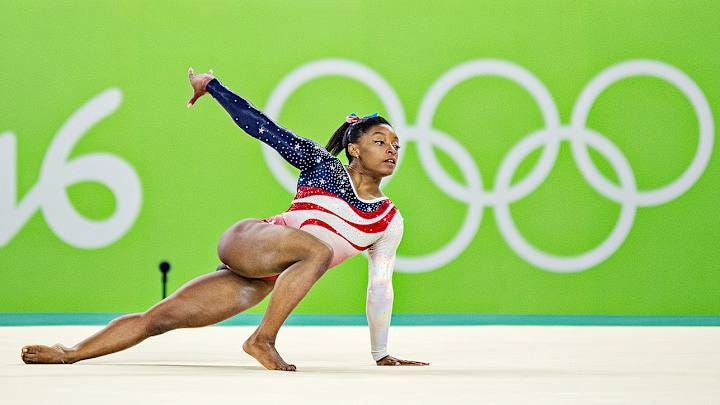
When Simone Biles stepped away from events at the Tokyo Olympics, it wasn’t because she wasn’t capable. It was because her mind and body weren’t aligned. The backlash was loud at first, but what followed was louder: support, understanding, and a global conversation about mental health in sport.
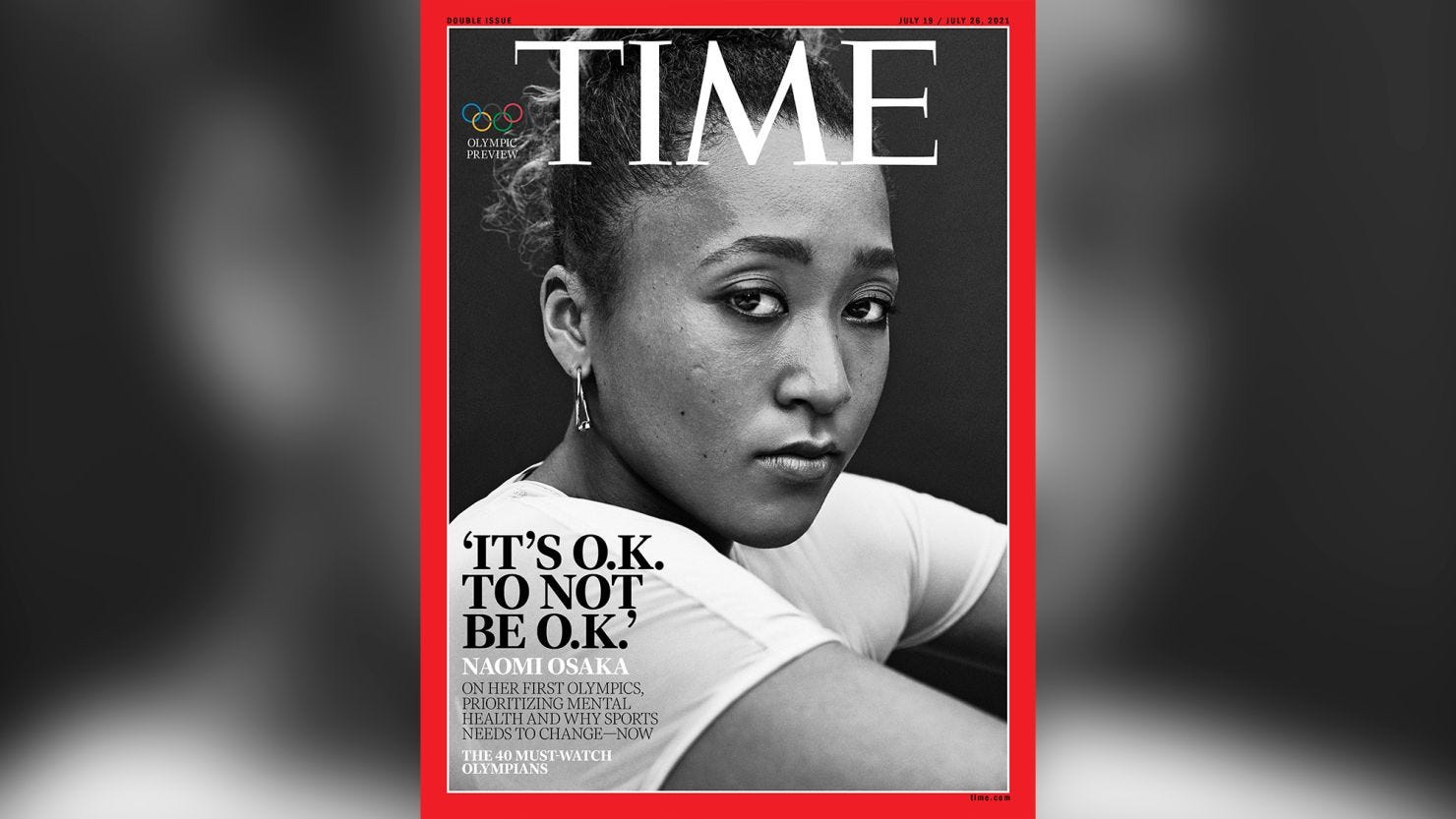
Naomi Osaka had already started that conversation months earlier when she withdrew from press obligations and later from tournaments altogether, explaining that the constant pressure and scrutiny were taking a real toll on her mental health.
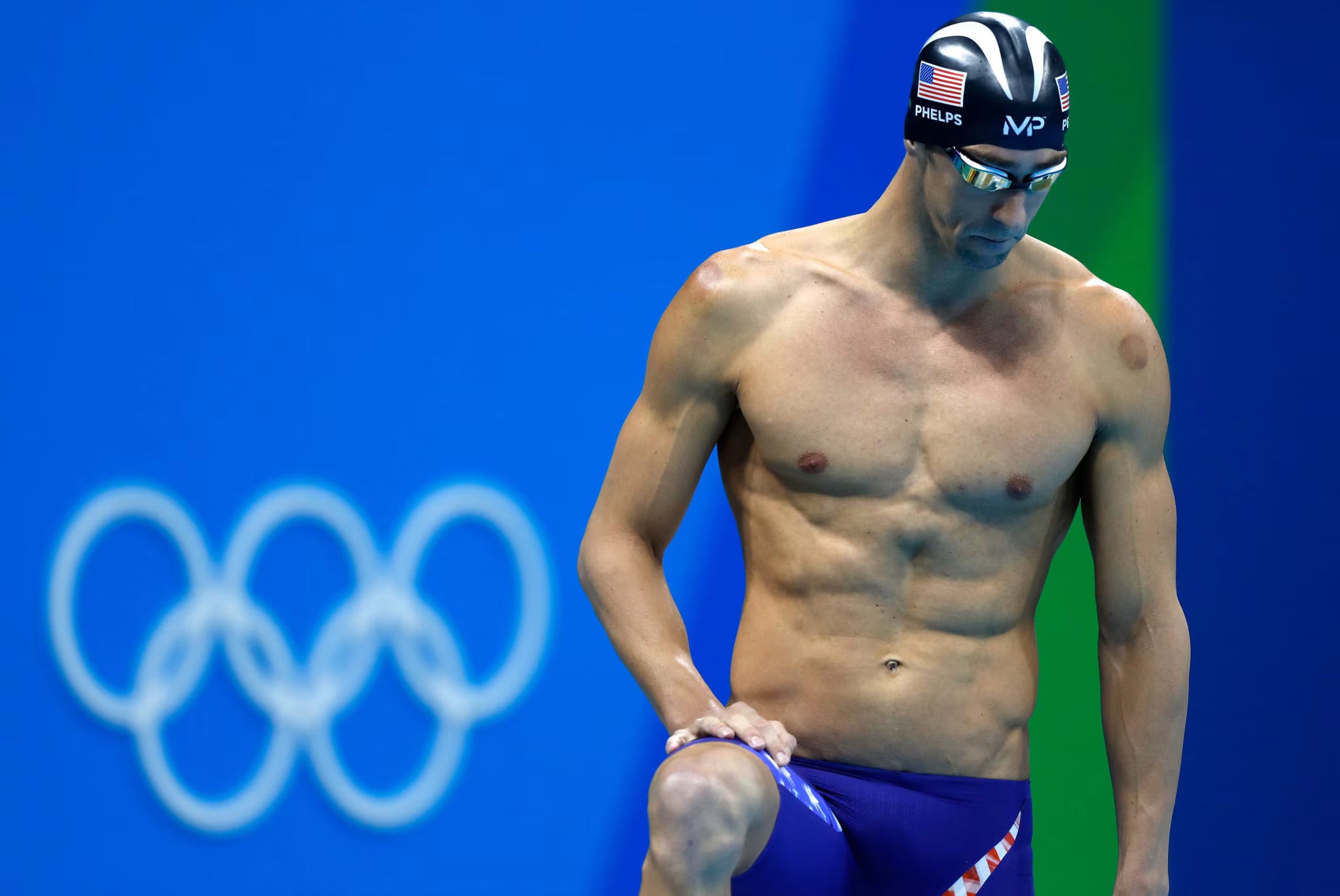
Kevin Love and DeMar DeRozan did it in the NBA. Michael Phelps did it in swimming. These weren’t fringe players. These were the best in the world saying, “I’m not okay.”
And that honesty changed things.
For decades, sports culture rewarded silence. You played through pain. You hid anxiety. You pushed past burnout. Mental toughness was defined as never breaking, never showing weakness, never stepping away. If you struggled, it stayed in the locker room.
Now, athletes are redefining toughness.
They’re saying real strength isn’t pretending everything is fine.
It’s:
Knowing when something isn’t
Asking for help
Setting boundaries
Choosing long-term health over short-term performance
What makes these moments even more powerful is the ripple effect. When a global superstar says they’re struggling, it gives permission to the high school athlete, the college walk-on, the weekend rec-league player to say it too. It makes mental health conversations normal instead of taboo. It reminds people that pressure doesn’t disappear just because you’re successful, sometimes it intensifies.
And the pressure is relentless. The expectations. The social media noise. The constant judgment. The injuries. The contracts. The fear of losing your spot. The fear of letting people down. The identity crisis when sport is the only thing you’ve ever known.
Athletes aren’t robots. They’re people with nervous systems, emotions, trauma, and stress just like everyone else… except their mistakes play out in front of millions.
What’s encouraging is that teams, leagues, and brands are finally starting to respond. Mental health professionals on staff. Therapy resources. Mandatory rest protocols. Open conversations in locker rooms. Athletes speaking on panels and podcasts instead of whispering behind closed doors.
It’s not perfect. There’s still stigma. There’s still backlash when someone steps away at the “wrong” time. There’s still the old-school mentality that you should just grind through it.
But the culture is moving.
Here’s where it gets really interesting: the tools elite athletes use to protect their mental health aren’t exclusive to people with sponsorships, private trainers, or Olympic medals.
They’re tools everyday people can use too.
Athletes work with sports psychologists not just when something goes wrong, but to build habits that help them handle pressure, regulate stress, and stay grounded. They practice visualization, mindfulness, controlled breathing, journaling, boundary-setting, and structured rest. They don’t wait until they’re burned out to recover, they build recovery into the system.
And that mindset translates directly to real life.

Your job may not come with a stadium full of fans, but it comes with deadlines, performance reviews, financial pressure, emails at midnight, and the unspoken expectation to always be “on.” Your nervous system doesn’t know the difference between a playoff game and a toxic meeting. Stress is stress.
The same practices that help athletes stay mentally resilient can help someone navigating a demanding job, a startup, caregiving, or just trying to keep their head above water.
Things like:
• Treating rest as part of productivity, not a reward for surviving burnout
• Using breathing or grounding techniques before high-stakes conversations or presentations
• Setting boundaries around work hours and digital overload
• Talking to a therapist or coach before things hit crisis mode
• Separating your self-worth from your performance
• Building routines that support your mental health the way athletes build training plans
Athletes don’t just train their bodies. They train their minds. And they’ve learned, often the hard way, that ignoring mental health doesn’t make you stronger. It just makes the crash harder when it comes.
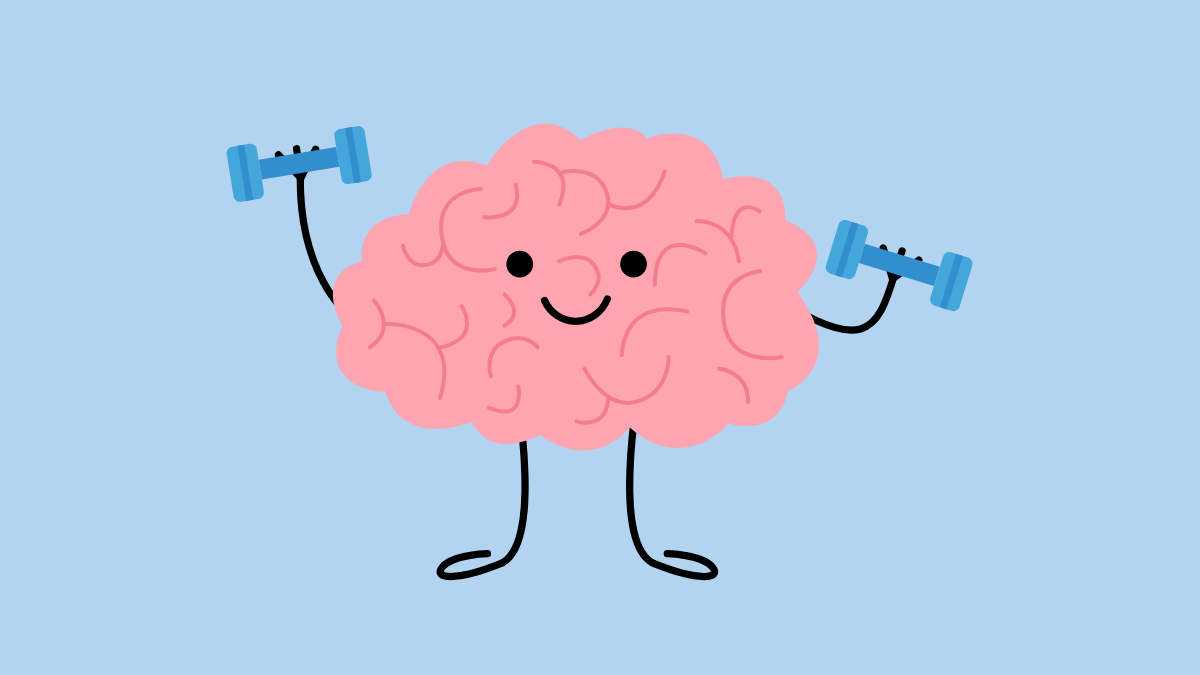
The next generation of athletes is watching. They’re learning that it’s okay to not be okay. That their worth isn’t tied to a stat line. That their mental health isn’t a side note, it’s part of their performance, their longevity, and their life.
But so is everyone else.
We’re all performing in our own arenas. Offices. Classrooms. Homes. Creative spaces. Startups. Side hustles. Families. Social lives. The pressure looks different, but the impact on the mind is the same.
Athletes opening up about their mental health isn’t making sports weaker. It’s making them more human. More able to fully show up for their work and performance.
And honestly?
It’s giving the rest of us permission to be human too.
And that makes the winning inevitable.
Want to support your team’s health to fuel a high performance culture? Let’s chat.
Subscribe for more articles and send to someone who might need to hear this!
#mentalhealth #leadership #stress #burnout #play
Hi, I hope all is well. I really enjoyed reading this. Thank you for sharing your thoughts.