
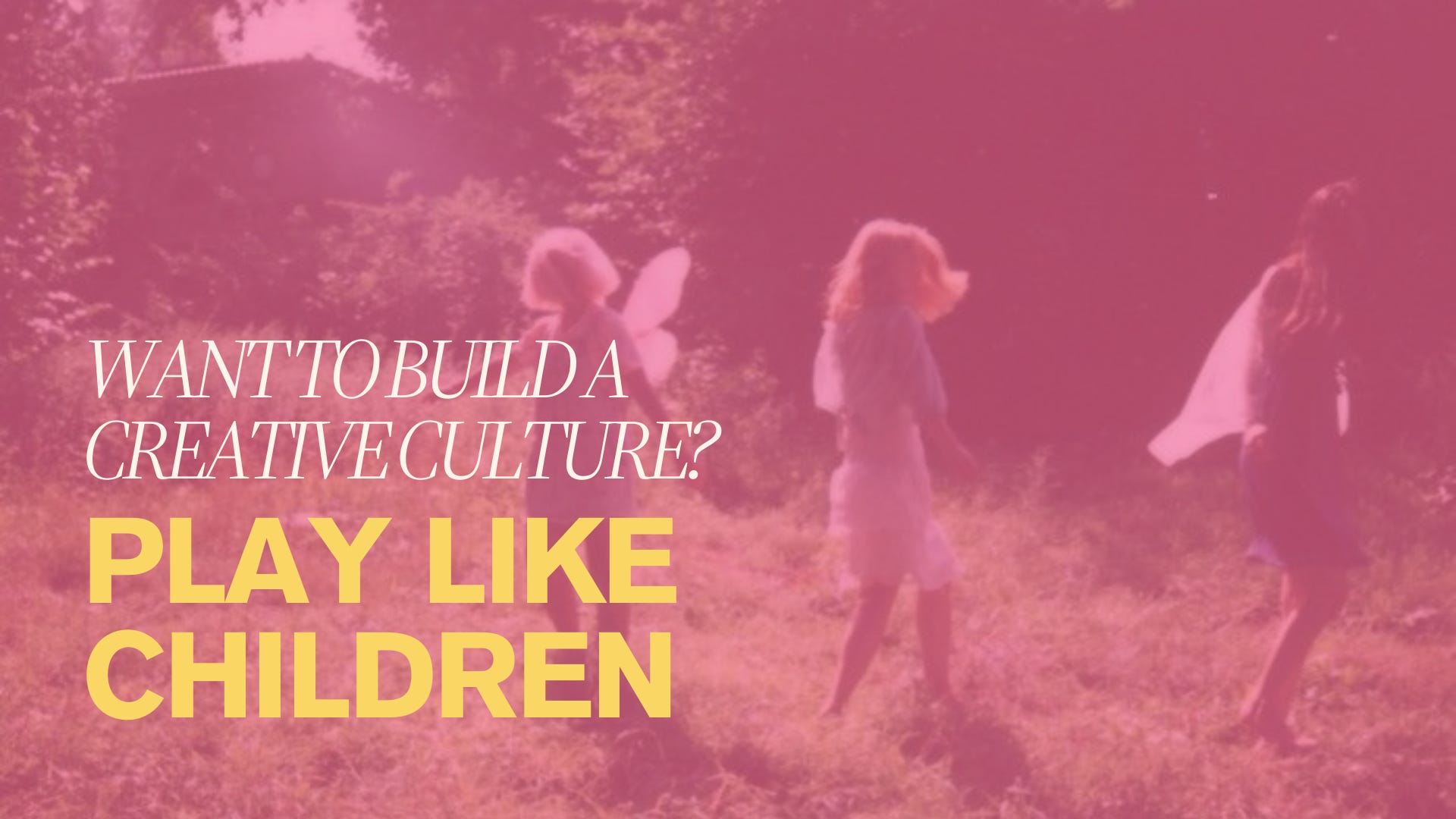
Want to build a creative culture? Play like children.
We've stripped play from our tool box. Here's how we add it back in.

Jumping into business after burning out as a teacher was a dream. I learned so much during my five years at B+A, a research and strategy studio. Working alongside incredible strategists while gaining an inside peek into some of the world’s leading organizations felt like an experiential MBA.
But as I transitioned from working with kids to adults, I wasn’t sure what to expect. Would this new environment be just as rigid and serious as the corporate world I’d heard about—or was there room for something different?
To my relief, B+A was a place where work felt alive. It was messy and chaotic but open to possibilities—like kids building a fort. People were encouraged to throw out ideas, follow their curiosities, laugh at a fart joke or two, and connect as full humans.
But not every client shared that ethos. While some briefs were energizing, others were wearing corporate masks with pride, projecting seriousness and control even when we were, at the end of the day, brainstorming ways to sell sneakers or makeup. It was a stark contrast to the freedom and openness I felt was necessary for growing and imagining new strategies—and it always made me uncomfortable.
I was sad when the company dissolved this past year, this band of misfit toys was good at playing. So moving on, I couldn’t bring myself to settle for environments that prized rigidity over imagination, masks over authenticity.
So when I saw a job opening as a preschool teacher, I was intrigued…
At first I was riveted by the idea of not being on a computer. No slacking, zooming, emailing. My new clients would have no clue what any of those things are because they were, well, toddlers. I would get to start over again with other people at the beginning. I had questions going in like:
Before our adult conditioning, agendas, and ego takes over…
What do children do naturally?
How do children naturally imagine and create?
How do children naturally connect and interact with one another?
Lessons in Preschool
In my time at the preschool, I got a masterclass in intuitive creativity. We painted, danced, crunched leaves, built puzzles, raced cars, designed train tracks, had tea parties, petted chickens, sang songs, ate tiny food, and peed our pants a lot. The kids of course.
I spent three months in full time care of 30 children aged 6 months to 5 years. It was serendipitous that I had enrolled in a Creativity Coaching Certification that ran parallel with my time at the preschool, allowing me to integrate my day to day experiences with my new learning. It wasn’t my forever gig, because anyone who has ever met a child under 5 knows they’re exhausting and insane. I did, however, come away with a renewed spirit and insights into creativity and human behavior that have clarified so much of my discomfort in professional culture. There is so much we can learn from young kids to integrate into our working culture.


Kids are Geniuses At:
1) Expecting and accepting failure.
Fall? They get back up. Screw up a drawing? Start over. They learn from these mistakes and try again. They know they are learning and limited, and their teachers encourage patience and persistence.
2) Taking risks.
They’ll break the rules and hop the fence to follow their curiosity. They constantly push the boundaries and ignore rules to see what is possible.
3) Connecting and integrating.
Ever observed a public playground of toddlers? They naturally connect with each other, integrating each new person into their game or role play with an enthusiastic “yes, and” attitude. Can I play with you? Yes. Let’s go! By connecting in the creative process, their stories and ideas grow in complexity and excitement. Without connection, our ideas become stagnant. Together they take life.
4) Imagining stories.
With zero instruction, kids effortlessly craft elaborate stories. They don’t judge their ideas, only delight in the process of story building. I have notebooks of drawings and poems filled with three headed wolves and magic fairy tea parties, all wild stories the kids would come up with at preschool.
5) Laughing at stupid stuff.
They laugh when things are funny and pounce on the opportunity to make the group giggle. Genuine laughter is vital for group connection and health. I can confirm fart breath is funny for both 3 year olds and 33 year olds and we’re better bonded for it.
6) Playing with no expectations.
They make up games, activities, rules, characters, scenarios, and realities at least 30 times a day with very little kindling. Twigs and leaves might be a stove top cooking spaghetti for the family of squirrels living in the tree. The stakes are low. Like lower than low, because the process is the prize. Time, space, a little stimulation, and no expectations creates the conditions to explore the possibilities.
How does this apply to connection and innovation?
Watching these kids explore, connect, and imagine freely, I couldn’t help but reflect on how much of this openness gets lost in adulthood—especially in the workplace.
I once put on a workshop for a group of apparel designers to engage with some new research and explore its implications in their work. In the planning stage, one of the concerns about the workshop’s design was that it was too “childish”, that the exercises could potentially turn people off because they’re juvenile. As a teacher this made me shudder. Yes, I had them playing, drawing chalk outlines of each other on paper, interacting with unusual materials, and exploring a row of sensory stations with their intuition as their guide. This however was not childish, it was childlike.
"Childish” is immaturity
“Childlike” is that state of play, curiosity, and connection.
The aversion to youth in this way is driven by our corporate masks, but it is also the thing that makes us high functioning. Allowing us to write 100 page decks in two days, build a complex excel matrix, or stay stone cold when our work gets publicly criticized. This is also the part of us that is the most critical, most analytical, and therefore the most prone to kill ideas, out of fear they are bad ones. My intention was to create the conditions for this group of humans to do what we are born to do: play, explore, and wonder. Allowing for true connection, creativity, and expansion.


The workshop crushed. Designers played, made gorgeous, chalk outlines of mixed media art, built bouquets of flowers, moved their bodies intuitively, colored on the floor, stuck their hands in sand, and genuinely enjoyed each other's company… Just as kids do. If only smiles, laughter, and messes on the floor were actual KPIs that were taken seriously, it’s not frivolous or counterproductive, it's vital for connection and creativity.
The problem with corporate masks.
Much of our work culture is far too serious. And it's suffocating connection and innovation. It’s particularly ironic for clients targeting Gen Z and Alpha as their primary audience. These are serious folks with serious agendas, wearing air tight professional masks (also called office persona, professional face, or the facade of competence).
This conformity is no one's fault, by the way. Most of the time it’s necessary. We all adapt to the prevailing culture of the groups we belong to because conforming to the “in group” is a gene we all have for survival. Above all, it keeps us safe in unpredictable, cut throat environments when it is unsafe to be your authentic self at work.
But something great is lost here in these corporate masks-- the thing inside all of us that is messy, silly, and naturally takes risks. I don’t mean to say we all sit around Kumbaya style while we cry and talk about how shit our childhoods were. This should be saved for therapy and late nights with a close friend.
I do mean that when we uphold and reward ‘corporate masks’ we lose our natural intelligence to play and connect. While leaders demand and expect innovation, cultures that normalize these kinds of behaviors actually diminish play, a requirement for connection and creativity that leads to innovation. When we create the conditions for both, we allow for these symbiotic energies, connection and creativity to exponentially fuel the other. Alchemizing into audacious, exciting new realities that mobilize and bring everyone with you.
Creativity Without Connection:
Ideas and risks becoming shallow or misaligned with the needs of people it's meant to serve (likely both the internal teams and the customer).
Connection Without Creativity:
May create a sense of belonging but stagnates the imagination, ambition, and impact of the group.
Ultimately, we need leaders to encourage more dynamic environments and cultures that allow for humans to connect and play. Rigid professionalism is a performance of the past, while dynamic, people driven cultures are what will lead us into a new more sustainable, balanced, equitable era.
Let’s reframe innovation.
Instead of grinding out ideas from behind polished corporate masks, we can reconnect with the intelligence, curiosity, and joy of our inner child. Play isn't frivolous—it’s jet fuel for the connection and creativity required in world building.
Let’s build work cultures that embrace curiosity, risk, and connection—just like kids do. Contact me or visit momofitz.com to explore how we can bring more play into your world.
Curious where to start? Here are some small ways to bring play into your day to day.
Engaging your senses. Allow yourself to play by smelling or touching something with mindfulness and presence. Notice how your body feels without judgement from the critical brain.
Expecting mistakes. Mistakes or missteps are inevitable in both the creative and learning process. Instead of judging ourselves and each other, normalize this by encouraging and connecting rather than shaming and ostracizing.
Exploring ‘tiny play’. Creativity does not need to be 5 hours of painting the ceiling everyday, it can be small, insignificant, and silly. Like 5 minutes of meditation brings forth our higher wisdom, 5 minutes of “tiny play” can invite that child to come forward and the more we do this, the more they’ll stick around…
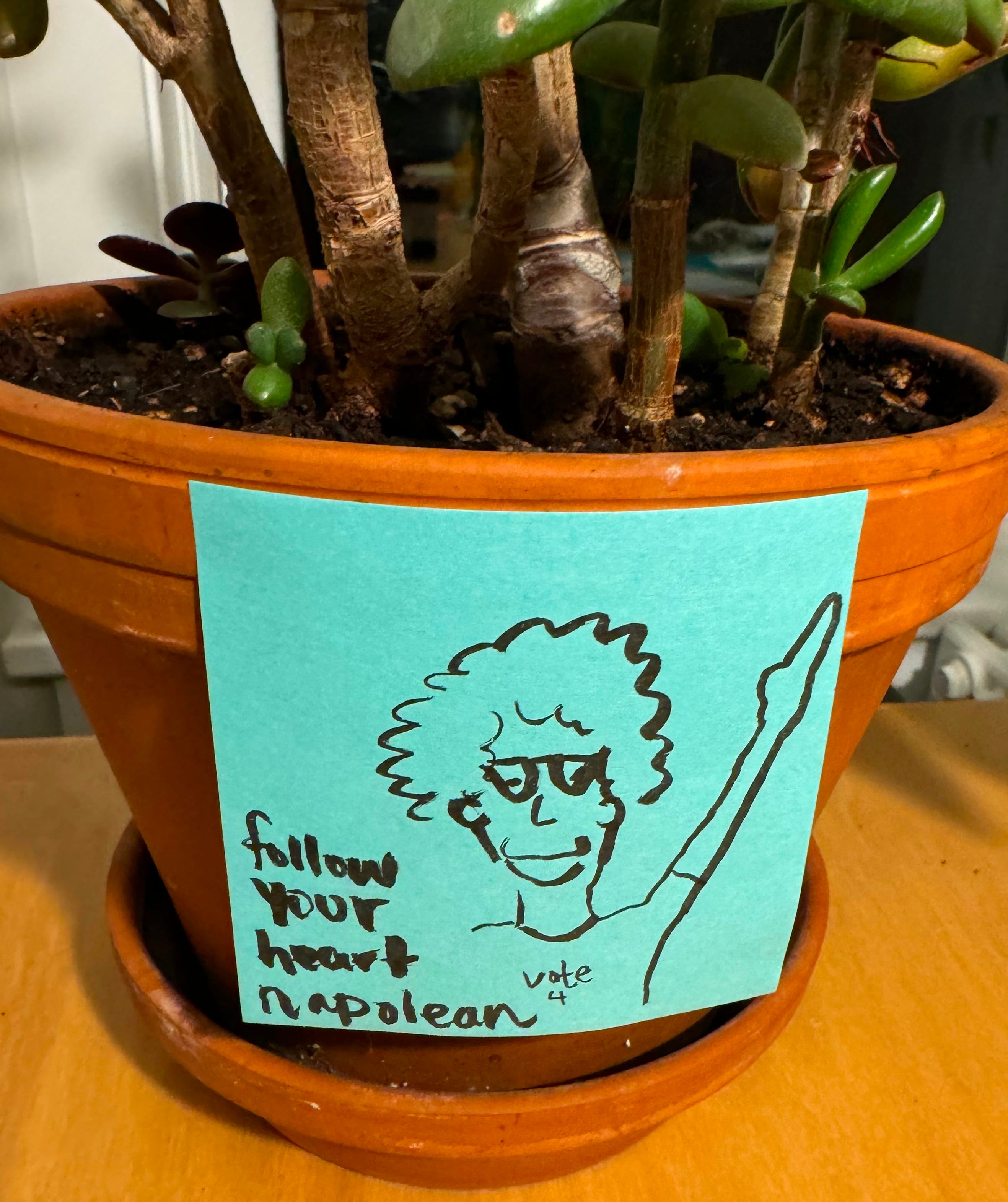
Examples.
Once to get out of a funk, I drew a daily post with a silly phrase and picture to put up around my house. No one saw these and they took 5 minutes max. But it got me out of my head and feeling more relaxed and playful which permeated into other parts of my day.
Use your non-dominant hand for 5 minutes. Use color, abstract shapes, don’t judge. Just allow the executive functioning part of you to relax while your inner child explores without agenda.
PS. I asked Chat GPT what it thought of my essay… the irony is rich.

TL/DR… While writing a piece about how professionalism is killing creativity, Chat GPT told me to be more professional, killing creativity.
Mo is the founder of Play Street, a strategy studio at the intersection of art x sport x culture— build on the belief that when we play, we unlock potential. Play Street partners with clients to co-create highly effective team cultures, develop innovative brand strategies, and unlock creative potential.
Her clients include global leaders like Nike, The Juilliard School, Perrigo, The Portland Trail Blazers and Masterclass, as well as mission-driven organizations such as Food 4 Farmers, Every Body Athletics, and Vermont Futbol Academy.
To learn more or start a conversation, visit Playstreetstudio.com
There’s so much we can learn from children (or at least re-learn as adults) I love the way you’ve articulated this and as a mum of a 3 year old fully agree!