
The Bad Bunny Effect
How one artist turned authenticity into global influence.


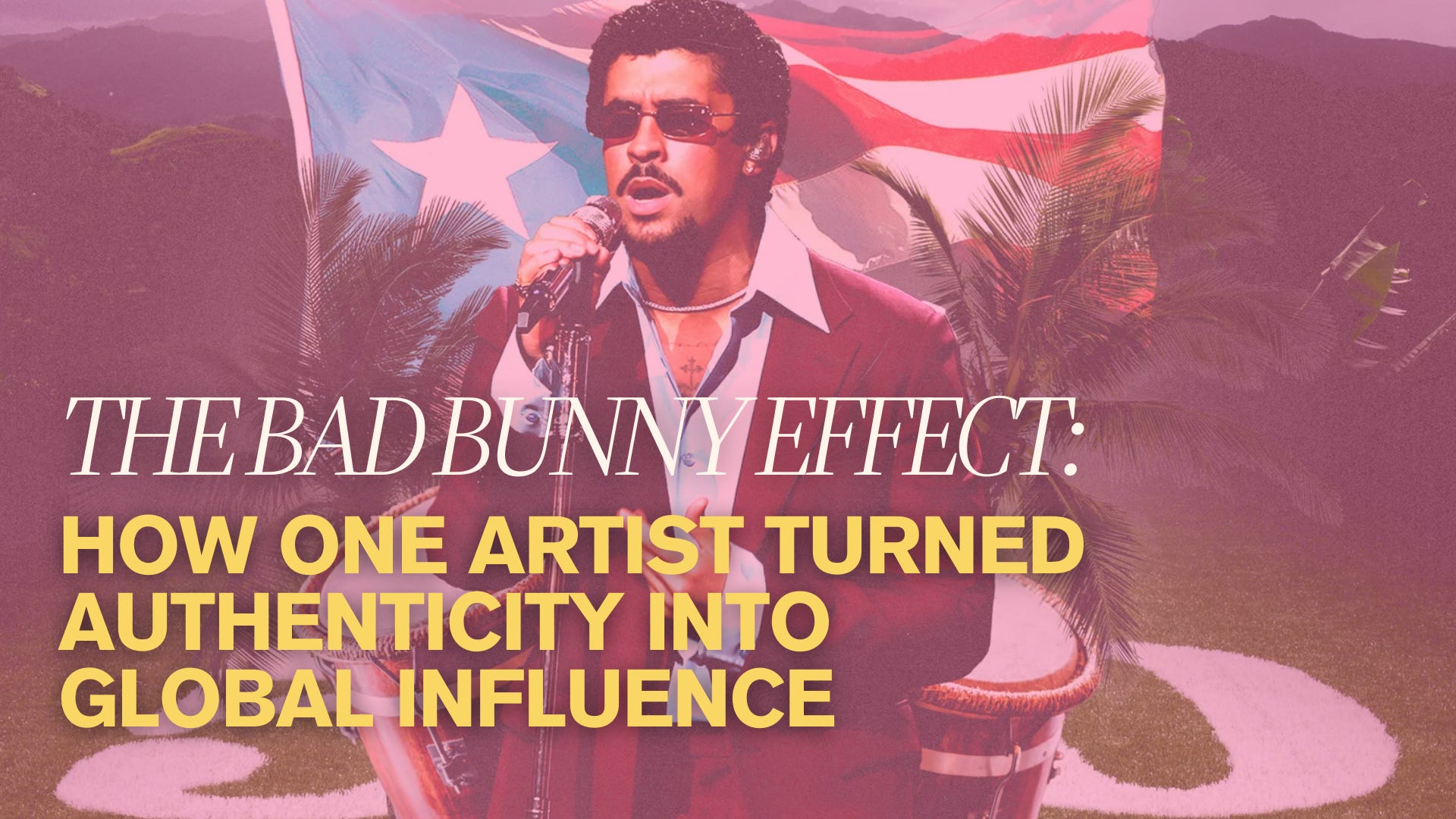
Love is more powerful than hate.
And sometimes culture reminds us of that before institutions ever do.
Right now, that reminder looks like Bad Bunny.
There’s a moment when an artist shifts from popular to inescapable — when their work stops just entertaining and starts leading. Bad Bunny has reached it.
He’s everywhere. Charts. Fashion. Film. Global stages. And now, one of the biggest platforms on Earth: the Super Bowl LX Halftime Show.
But what’s remarkable isn’t just the success.
It’s how he built it.
By staying rooted in his culture.
By lifting his community.
By leading with identity instead of sanding it down.
While power distracts, artists point us back to what’s real — home, people, celebration, softness, and belonging.
And what Bad Bunny represents culturally, creatively, and as a leader offers lessons far beyond reggaeton or pop culture.
Breaking Records, Redefining Possibility
Bad Bunny’s catalogue isn’t just popular…. it’s record-setting:
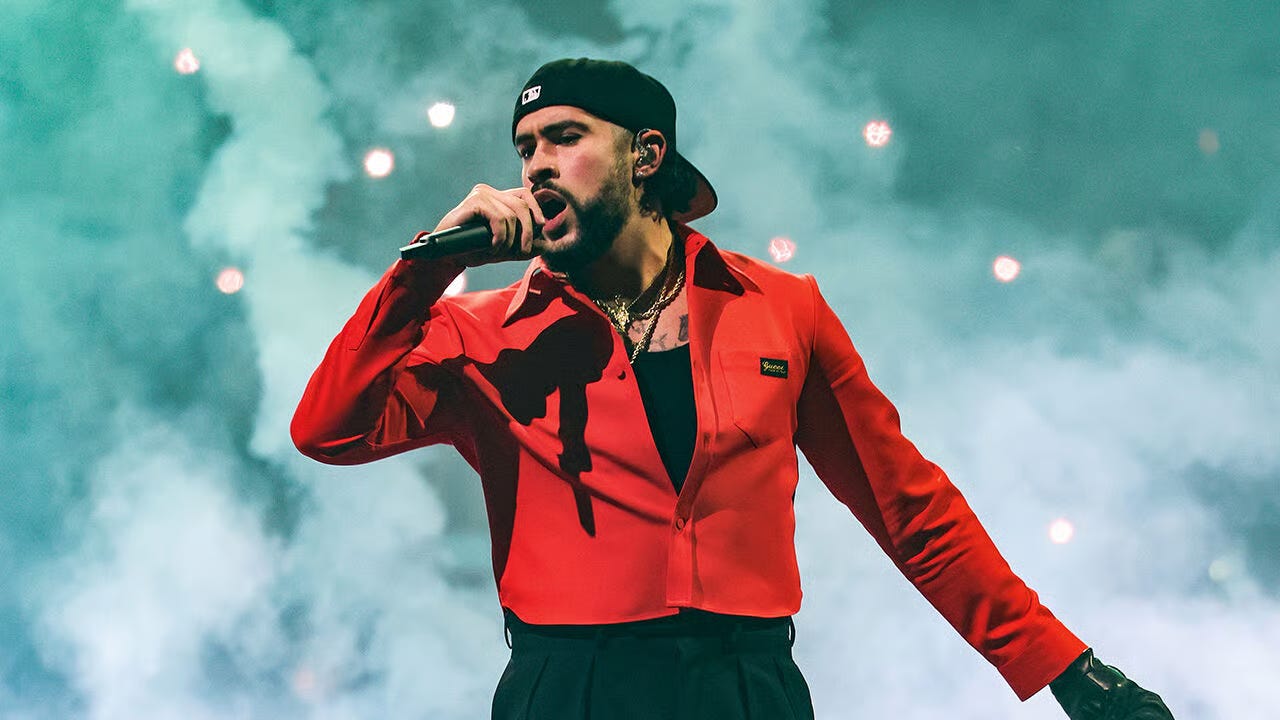
At the 2026 Grammys, Bad Bunny won Album of the Year (for Debí Tirar Más Fotos), Best Música Urbana Album (for Debí Tirar Más Fotos), and Best Global Music Performance (for “EoO”), marking a historic night for his work and Latin music.
His recent album Debí Tirar Más Fotos debuted at No. 1 on the Billboard 200, becoming one of multiple chart-topping albums in his catalog.
He holds the most-streamed album in Spotify history, with some tracks exceeding a billion streams and the project itself reaching astronomical numbers.
He’s amassed over 100 entries on the Billboard Hot 100, marking a historic milestone for a primarily Spanish-language artist.
Spotify ranked him the most-streamed global artist of the year, (beating out virtually every major pop star).
Billboard named him Top Latin Artist of the 21st Century, underscoring his influence and longevity.
At the Grammys, he made history as the first Spanish-language artist nominated in the top three categories (Album, Record, Song of the Year) in the same year.
He’s also a multi-Latin Grammy winner and recognized globally for his work across genres and languages.
His Culture Isn’t an Accessory — It’s the Foundation

Bad Bunny didn’t trade Puerto Rico for the world. He brought Puerto Rico with him.
Whether it’s incorporating Puerto Rican rhythms into mainstream releases, uplifting Spanish in global media, or speaking openly about his heritage when headlining massive cultural moments, he brings his identity into the spotlight rather than leaving it behind.
That’s not surface-level branding. That’s confidence in self, and a refusal to compromise authenticity for visibility.
Cultural Impact at the Biggest Stage of All

In February 2026, Bad Bunny will headline the Super Bowl halftime show, a first for a solo Latino artist and signficant not just as a milestone, but as a symbol.
The Super Bowl isn’t a music festival as we know, it’s a football game. The biggest football game. It’s a cultural broadcast that reaches hundreds of millions worldwide and Bad Bunny is doing it in full expression of who he is.
We could not be more excited to see the halftime show. He’s bringing his musical identity complete with language, style, and cultural rootedness to the most-watched musical platform on Earth.
You do not want to miss it.
Not Just a Musician — A Multi-Faceted Creative
Bad Bunny’s influence doesn’t stop when the music does.
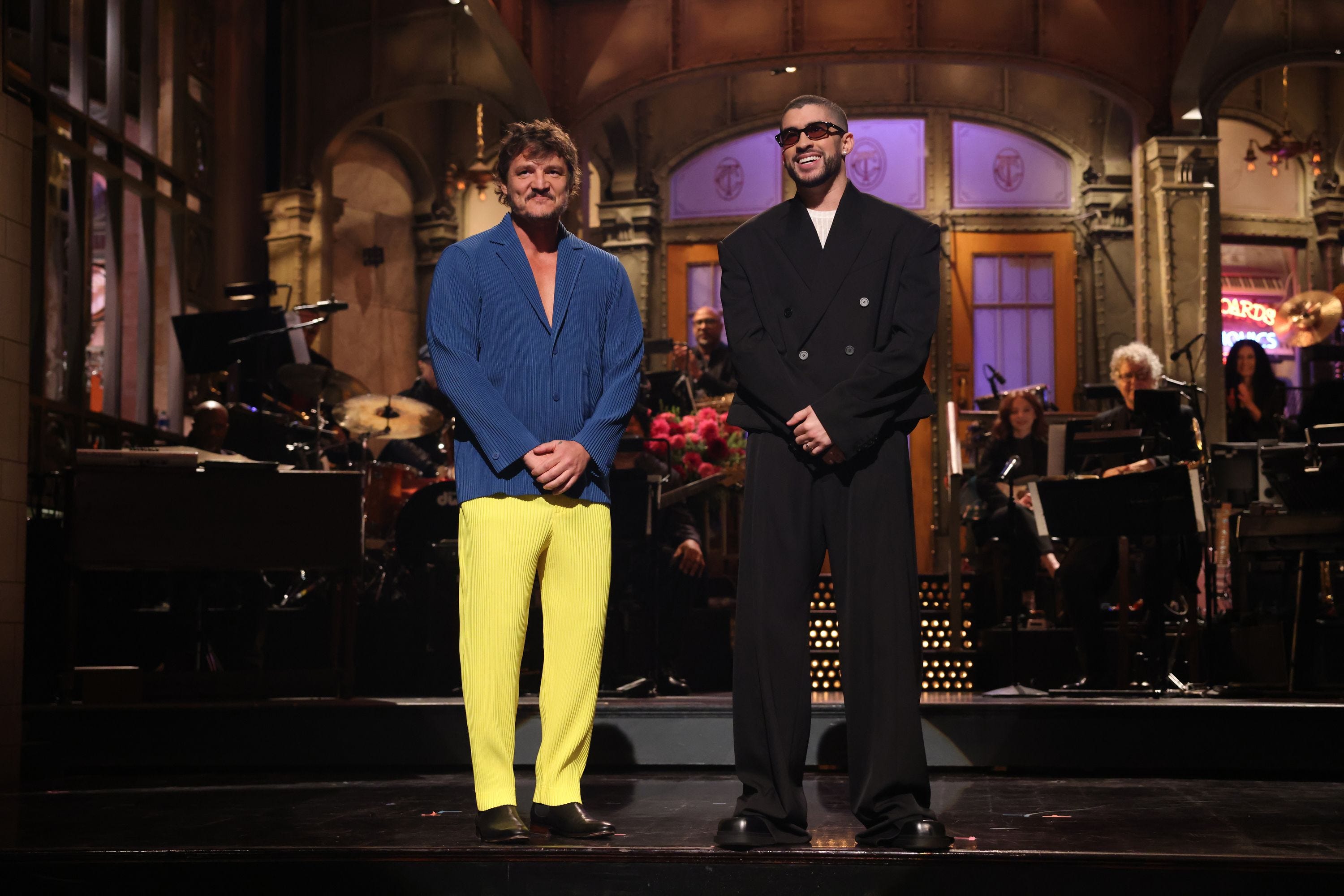
When he hosted and performed on Saturday Night Live, he leaned into comedy sketches, self-parody, and full-English dialogue, showing range and cultural fluency without flattening his identity. It signaled that Latin artists don’t need to stay confined to “music guest” lanes. They can host. They can headline. They can shape the tone of the room.
His expansion into film follows the same pattern. From Bullet Train to Cassandro and Happy Gilmore 2 alongside Adam Sandler. In Cassandro, he portrayed a queer lucha libre icon, stepping into a deeply vulnerable and symbolic role that most mainstream male artists wouldn’t touch. By placing a Latin superstar inside stories that challenge norms, he widened what representation looks like at scale, not quietly, but visibly.
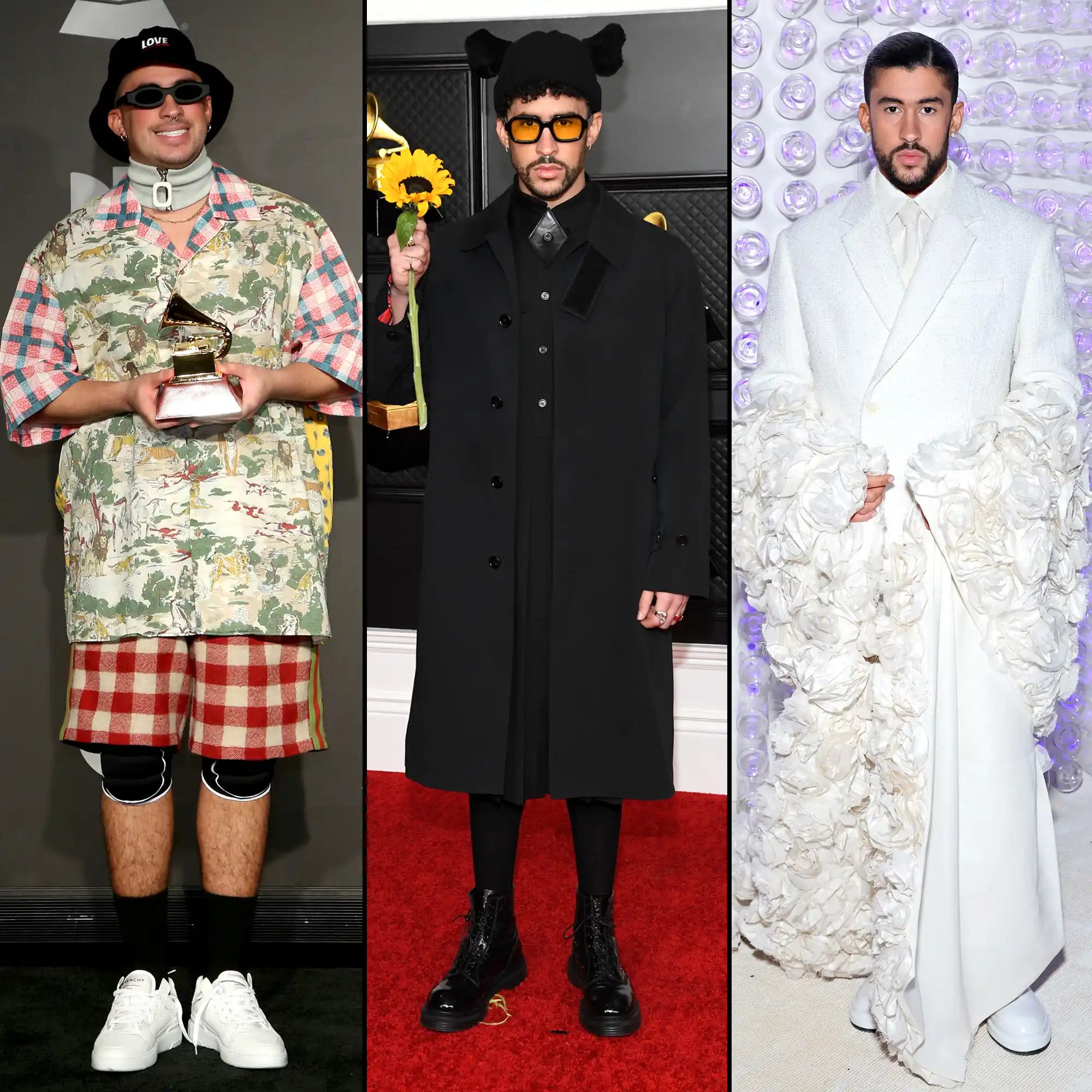
And then there’s fashion, where Bad Bunny has arguably been just as disruptive as he’s been in music. He regularly shows up in skirts, nail polish, pearls, cropped tops, and nonbinary silhouettes, not as shock value but as self-expression. He’s walked red carpets in Jacquemus, Gucci, and custom designers while openly rejecting rigid gender norms in interviews and lyrics. In a genre and culture that often polices masculinity, his choices land as leadership, not rebellion. He’s modeling a version of manhood that’s fluid, soft, loud, adorned, and emotionally open — and millions of fans follow his lead without needing an explanation.
Taken together, these moves form a bigger picture: Bad Bunny isn’t chasing crossover appeal. He’s building a multi-dimensional creative identity that refuses to be boxed into one category, language, or aesthetic. Music gave him the platform. Culture is where he’s choosing to lead.
What he’s teaching is that creativity, identity, and leadership are inseparable.
So What Can Leaders Learn from Bad Bunny?
Here are a few lessons from the story behind the hype:
Lead with your identity, not away from it. His culture isn’t an afterthought, it’s the core of his global appeal.
Success isn’t a straight line, it’s a conversation. He collaborates across languages, genres, and media.
Visibility is a responsibility. He uses platforms like SNL and the Super Bowl not just to perform, but to represent.
Innovation doesn’t wait for permission. He defines trends rather than chasing them.
Bad Bunny’s rise isn’t just about music records. It’s about breaking cultural records and inviting others to step into their own most authentic narrative while doing so.
What’s one lesson from Bad Bunny’s journey that you’ve taken into your own work or leadership?
#badbunny #culture #leadership #superbowl #halftimeshow